
Call: 403-242-8583 | Email: | 


Call: 403-242-8583 | Email: |



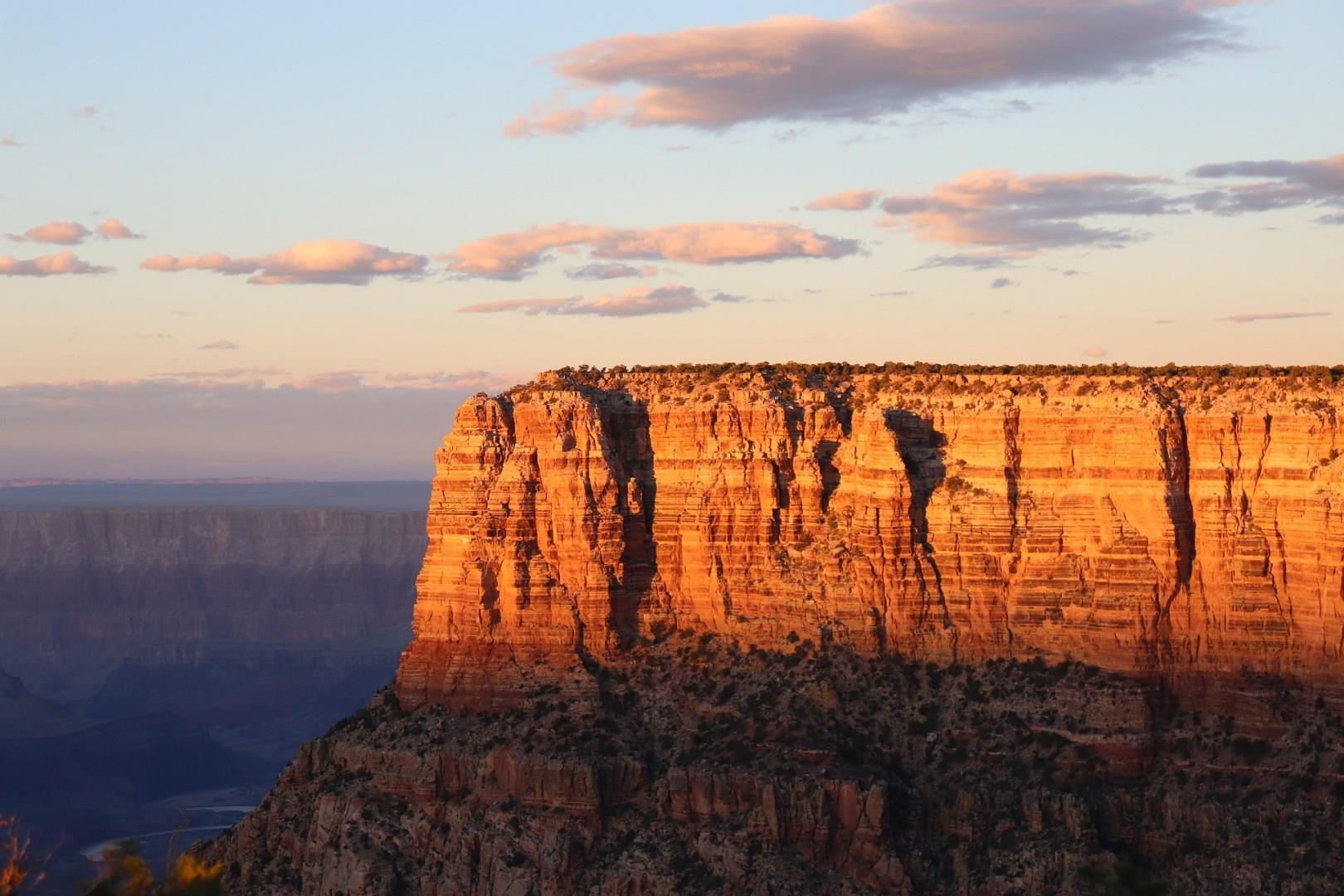


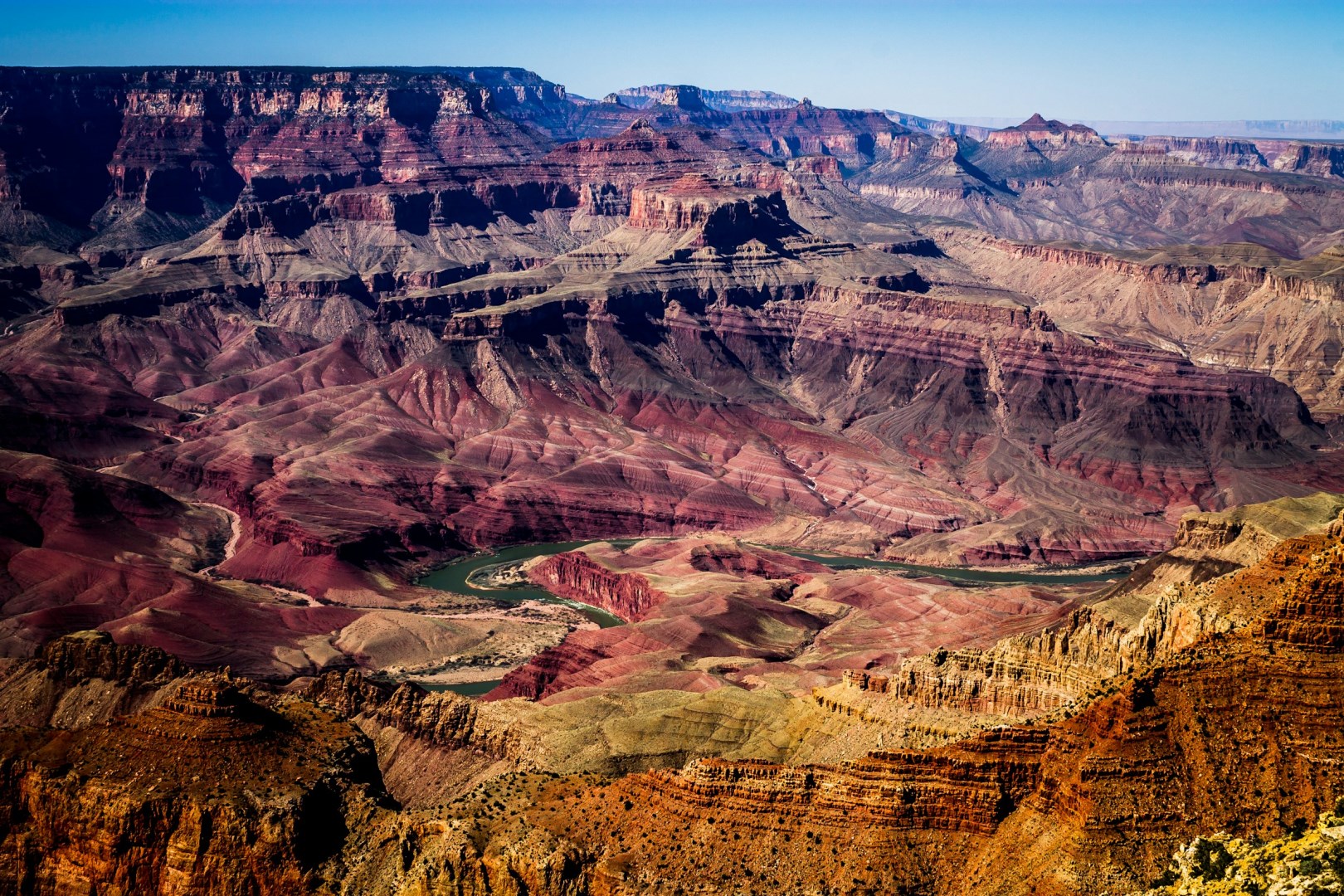
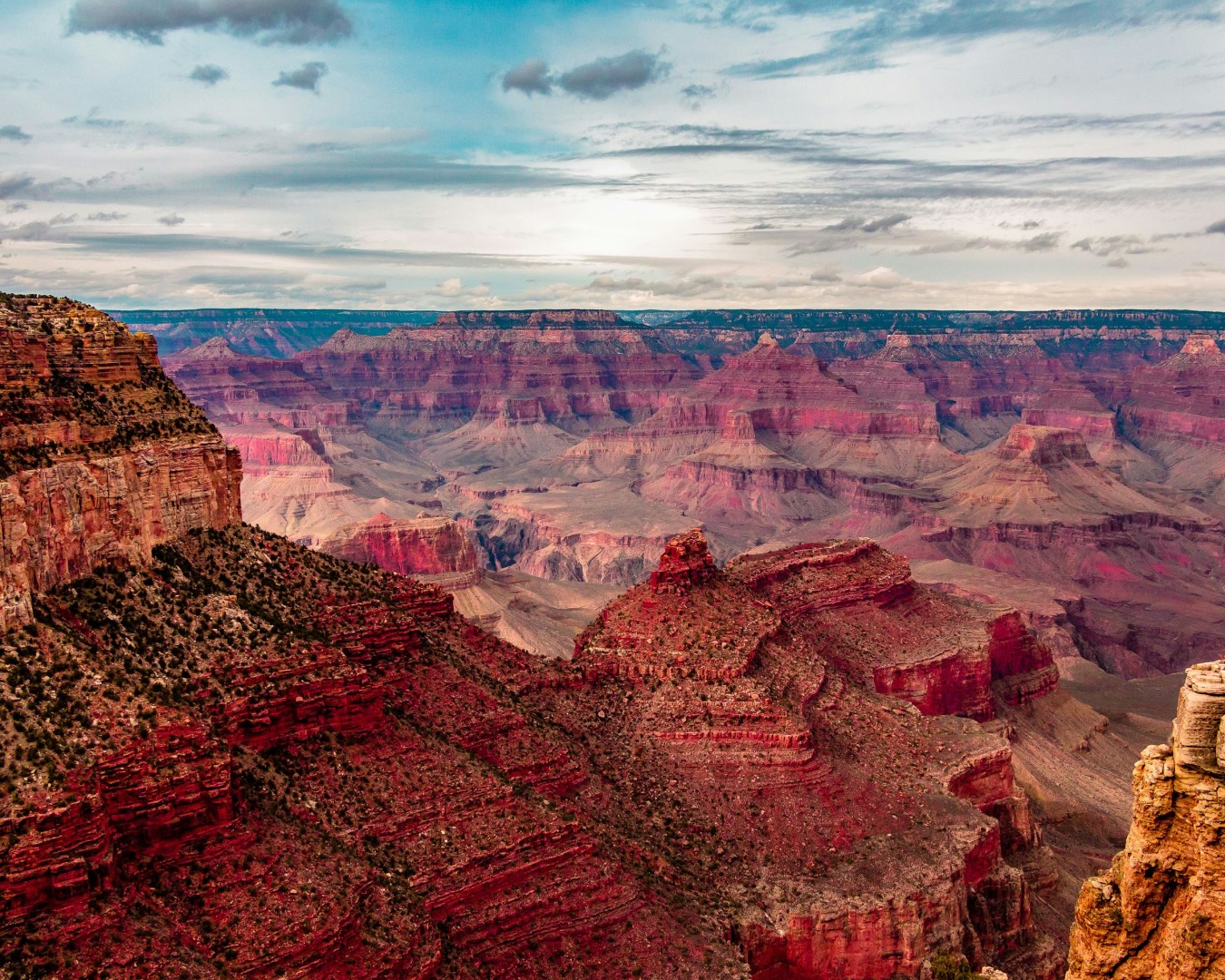
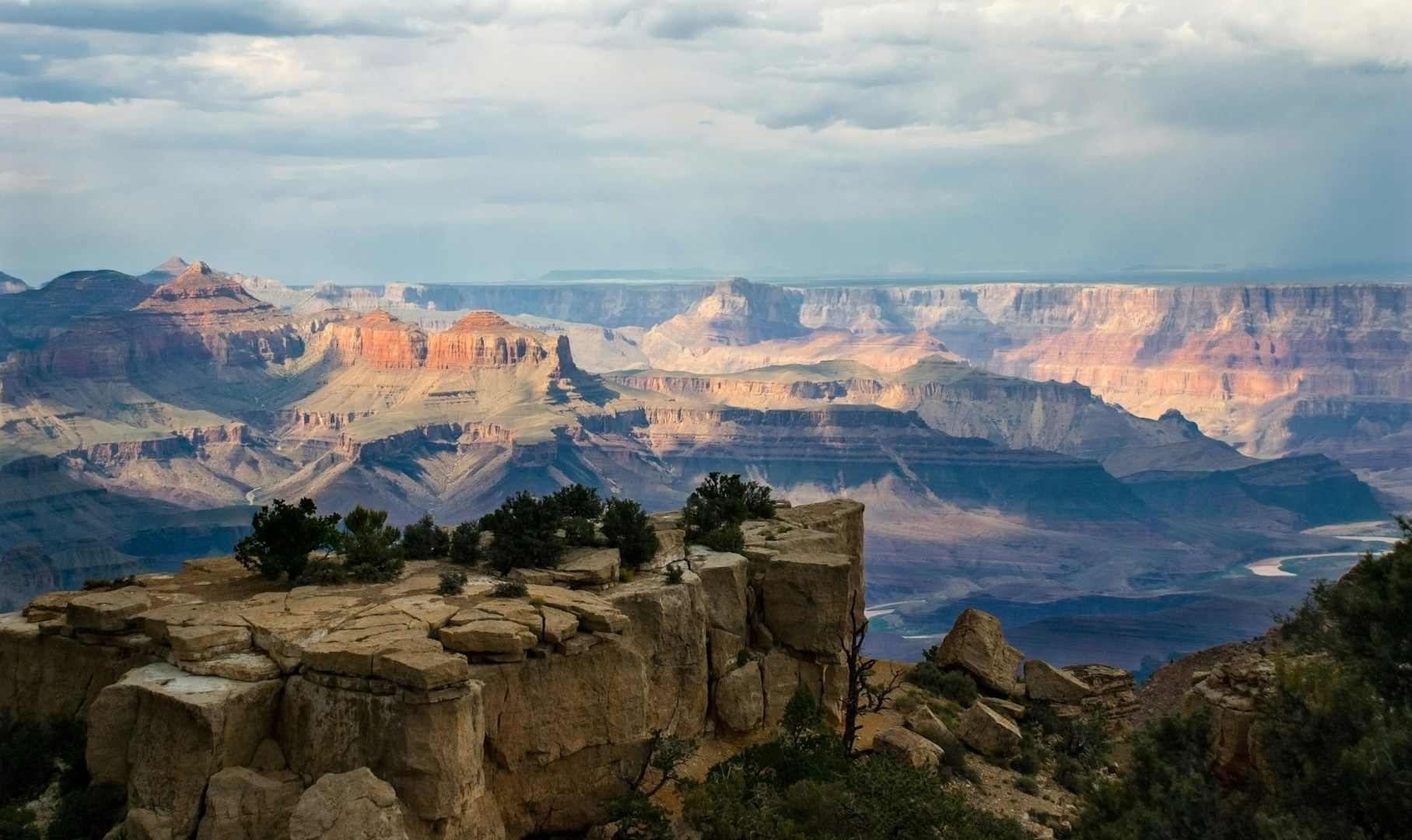
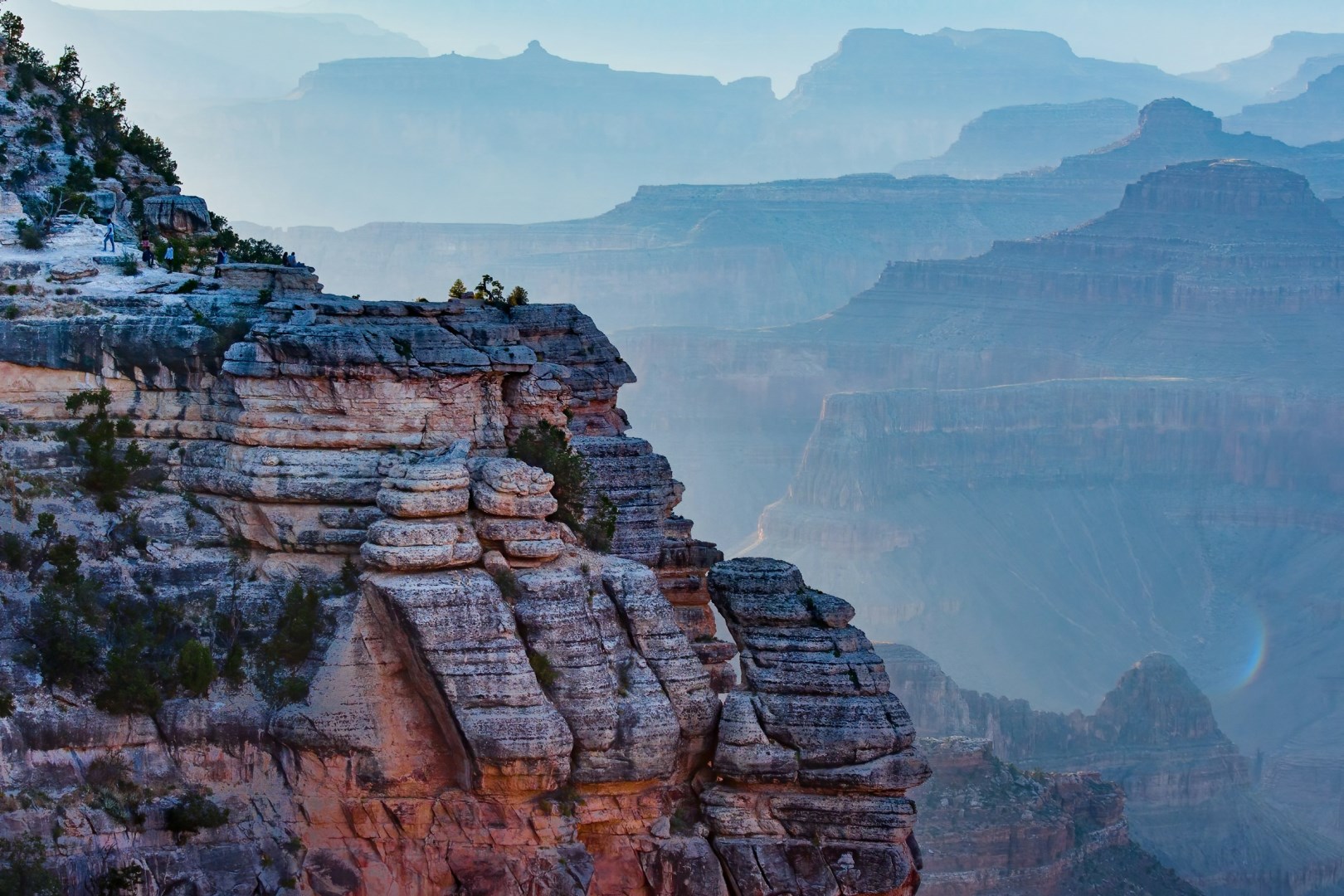
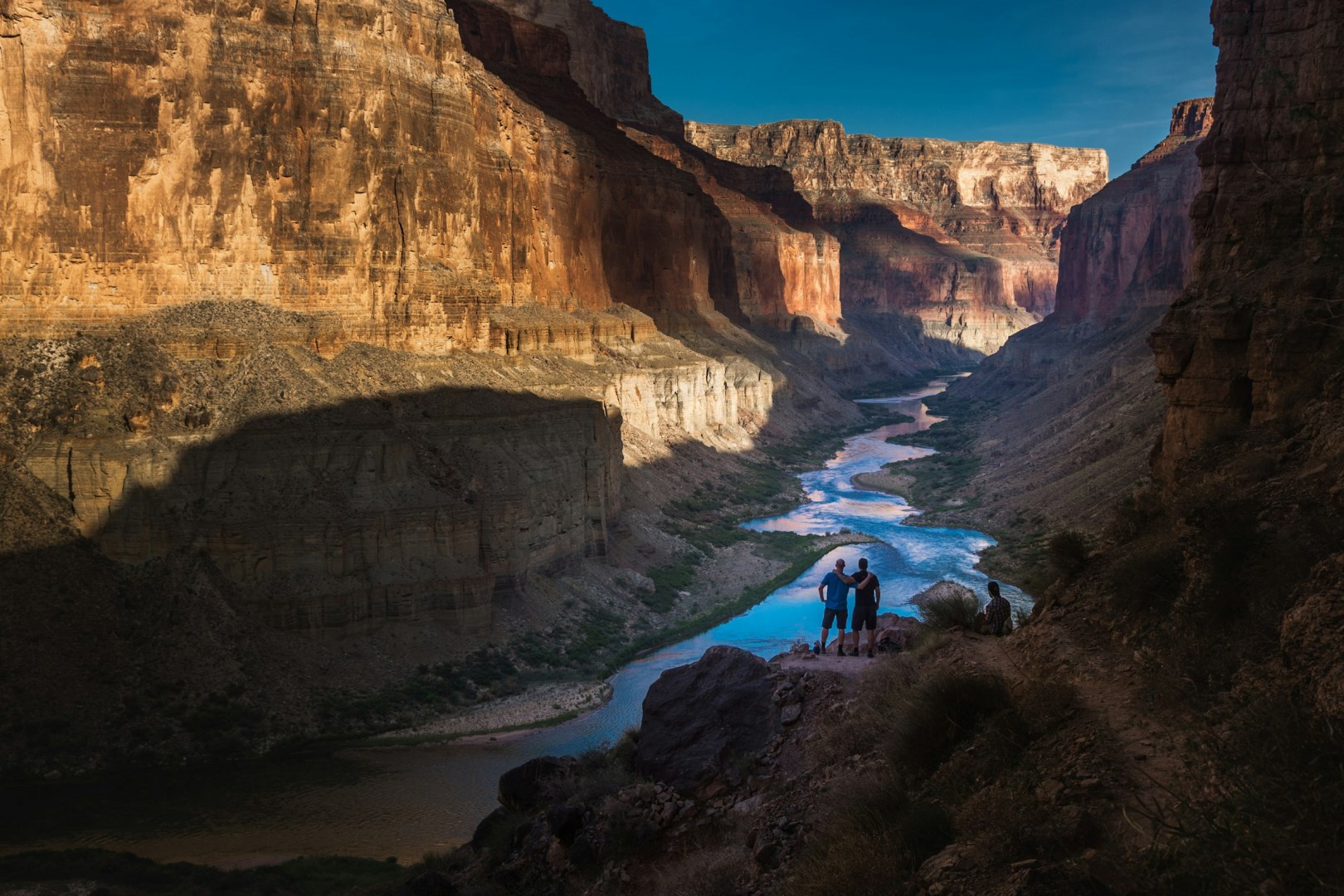
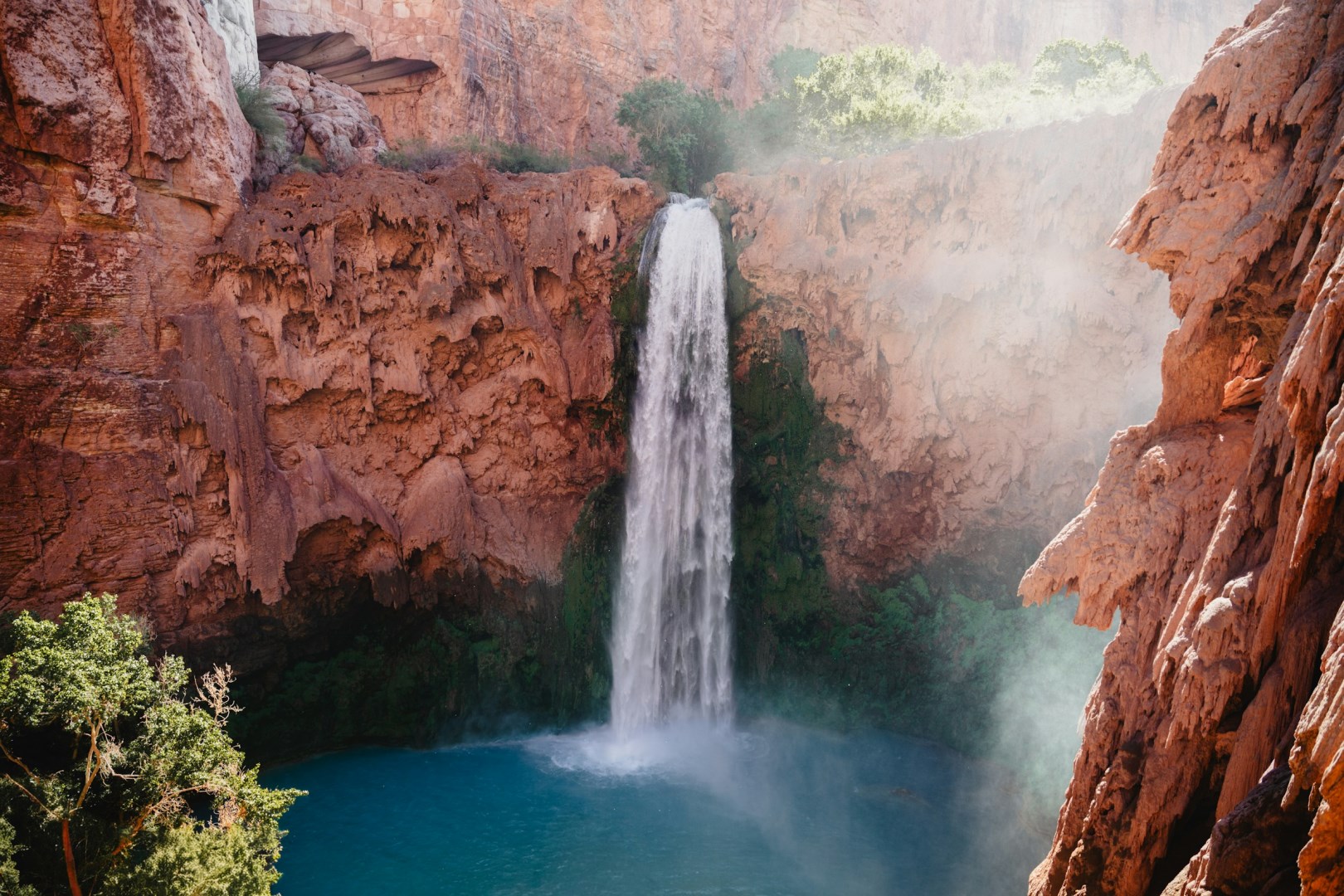
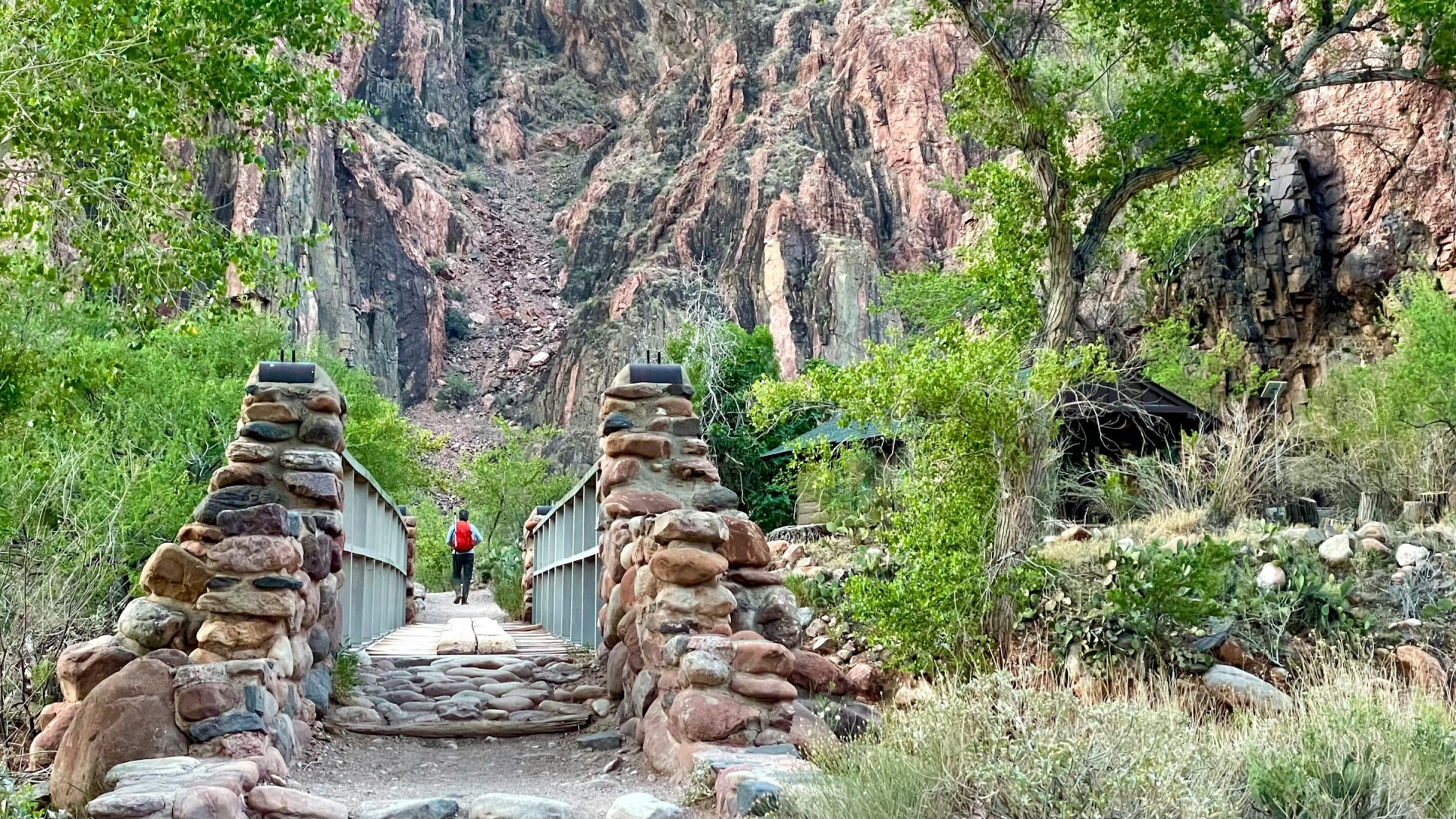
Stretching 277 miles in length and more than a mile deep, this vast canyon reveals layers of geologic time stacked like pages in a book. Standing on the South Rim, visitors can look out over colorful cliffs and winding trails that have drawn explorers, artists, and travelers for generations. The views change with the light starting with crimson at sunrise, golden at sunset, and every hue in between.
Long before it became a national park in 1919, the Grand Canyon was home to Indigenous peoples who still live in the region today. The Havasupai, Hopi, Hualapai, Navajo, and Zuni all have cultural and spiritual connections to the canyon. Signs of ancient life remain in the form of granaries tucked into rock walls and petroglyphs etched into stone. For a more immersive experience, visitors can stop by the Desert View Watchtower, designed in 1932 by architect Mary Colter to honor Ancestral Puebloan design. Inside, murals by Hopi artist Fred Kabotie share stories that go far beyond the view outside.
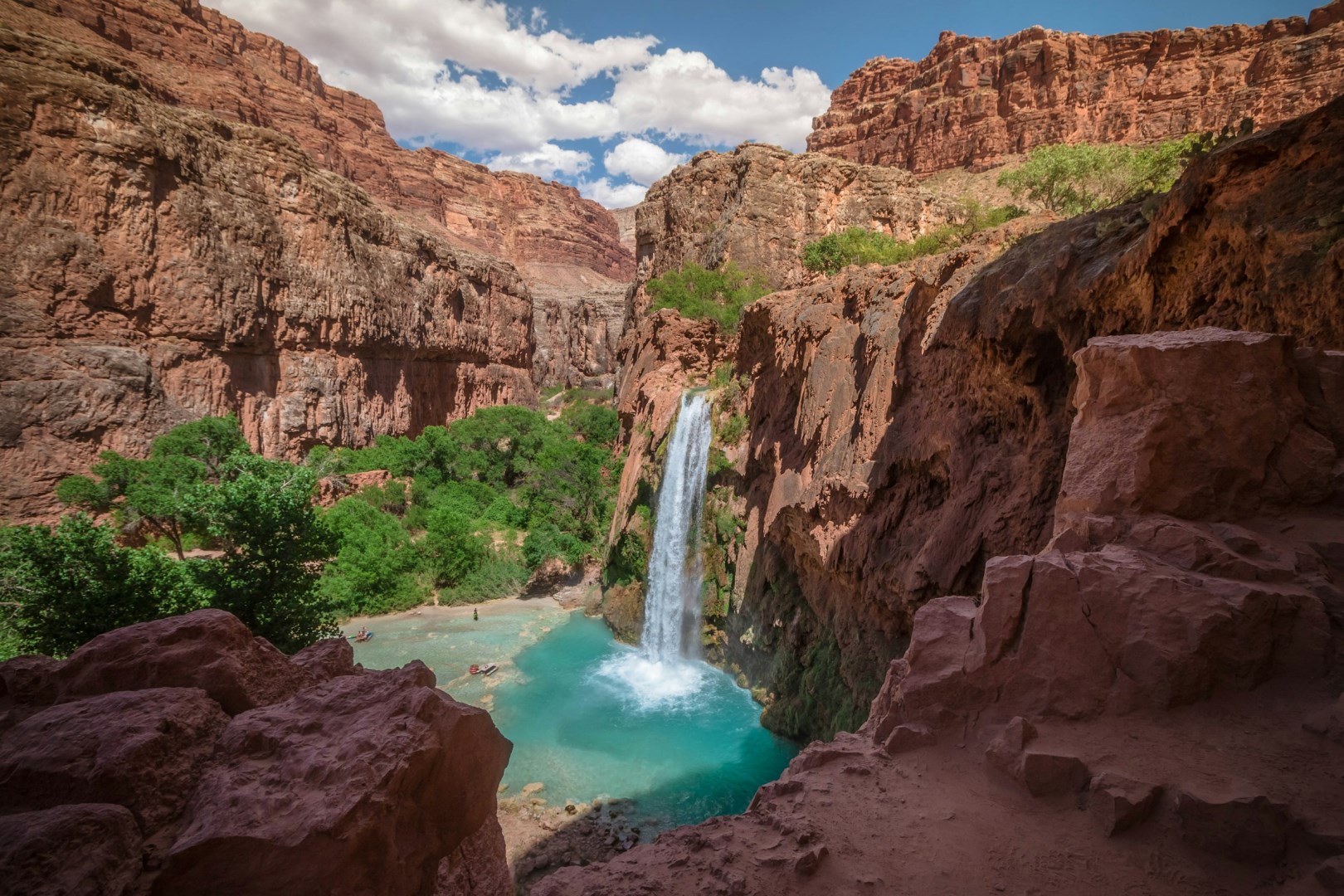
Adventure takes many shapes at the Grand Canyon. Hikers descend into the canyon on Bright Angel or South Kaibab trails, each offering dramatic switchbacks and jaw-dropping overlooks. Rafting the Colorado River offers a completely different perspective, one that includes roaring rapids, hidden waterfalls, and star-filled nights in quiet backcountry camps. For those less inclined to trek or paddle, the Grand Canyon Railway offers a vintage train ride from Williams, Arizona, complete with cowboy reenactments and old-time charm.
The South Rim of Grand Canyon National Park is the most accessible and extensively developed part of the Grand Canyon, located in northern Arizona. The rim follows a broad plateau where the Colorado River has cut deeply through layers of rock, creating a vast landscape of cliffs, buttes, mesas, and side canyons. The South Rim is open throughout the year and includes Grand Canyon Village, visitor facilities, viewpoints, campgrounds, and historic buildings. Its elevation, generally above 7,000 feet, gives the area cooler conditions than the desert landscapes farther below the rim.
The Grand Canyon has deep cultural significance for Native American peoples, including the Havasupai, Hualapai, Hopi, Navajo, Southern Paiute, and several other tribes with longstanding connections to the region. Their relationships with the canyon include traditions, cultural sites, and continuing ties to the land and Colorado River. The South Rim also contains historic structures associated with early tourism and park development, including the El Tovar Hotel, Hopi House, and Desert View Watchtower. These buildings reflect different aspects of the area's architectural and cultural history, while the canyon itself remains an important living landscape for Indigenous communities.
Numerous viewpoints provide different perspectives across the canyon, with Mather Point, Yavapai Point, and Desert View among the best-known locations. The Rim Trail follows the canyon edge through Grand Canyon Village and beyond, offering relatively level sections with frequent overlooks. The Bright Angel and South Kaibab trails descend into the canyon, providing access to dramatically different environments below the rim. Desert View lies farther east and includes the stone Desert View Watchtower, which overlooks the Colorado River and the Painted Desert. The South Rim also provides access to mule trips, ranger programs, scenic drives, and geological exhibits.
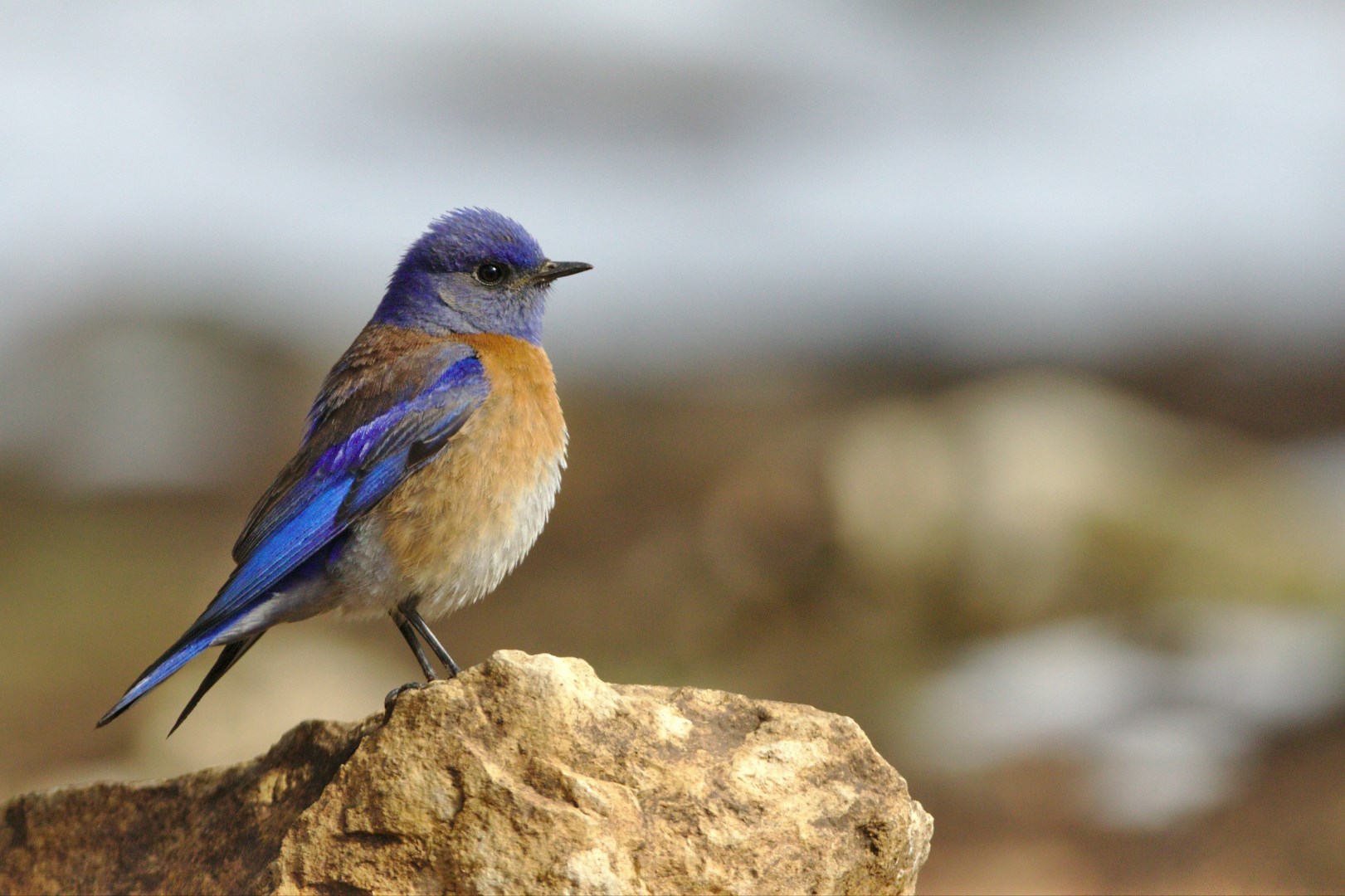
The canyon supports a range of plants and animals across its different elevations and habitats, including ponderosa pine forests along the rim, desert vegetation in lower areas, and species adapted to steep rocky terrain. California condors are among the most notable birds seen around the canyon, while elk, mule deer, bighorn sheep, and other wildlife occur in the park. Local food at Grand Canyon Village and nearby facilities ranges from casual meals to dining rooms in historic lodges, with menus often incorporating Southwestern influences. The South Rim's combination of high-elevation forest, immense canyon walls, and deep river country creates a landscape that changes markedly with distance and elevation.
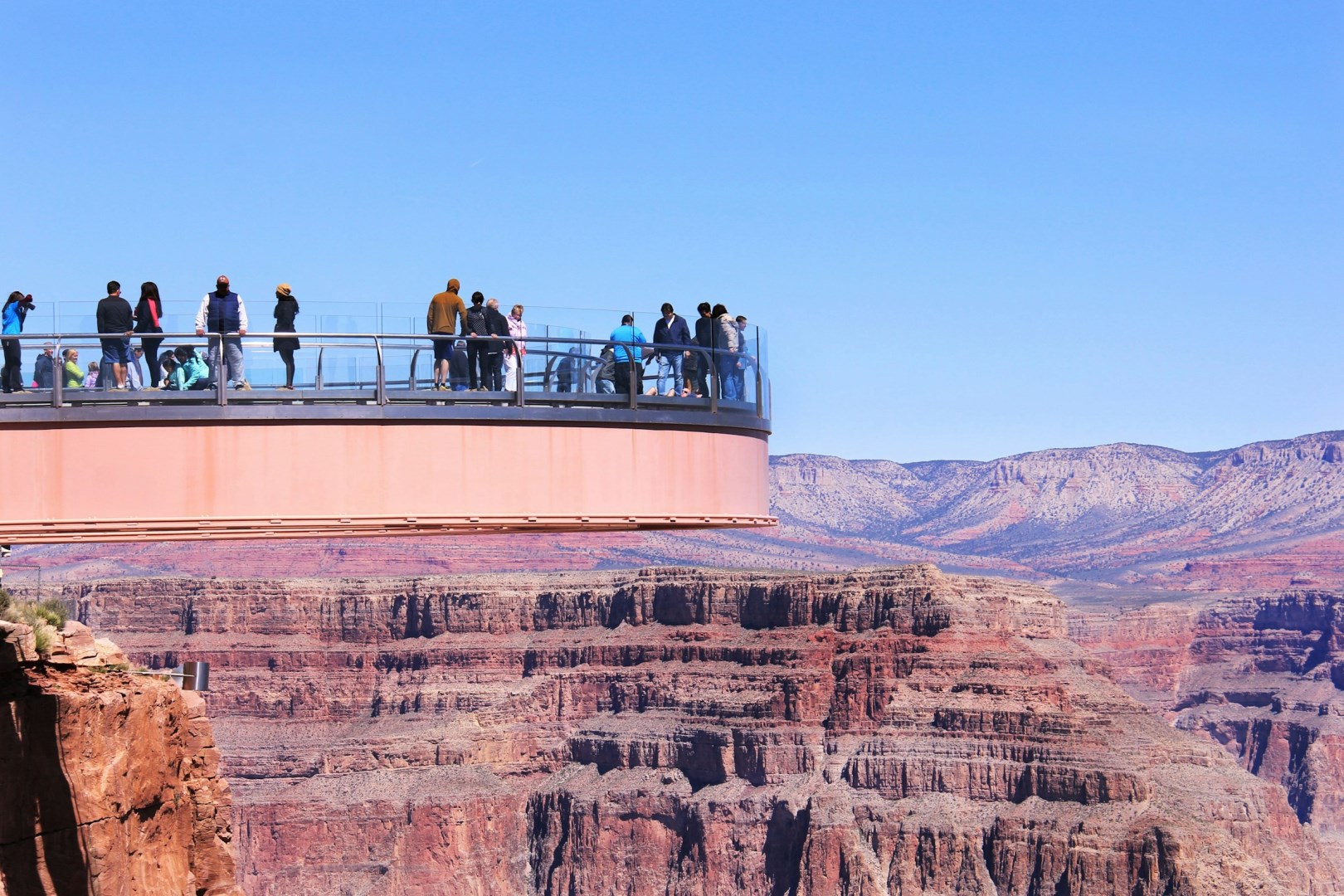
Grand Canyon Skywalk is a glass-floored, horseshoe-shaped bridge at Eagle Point in Grand Canyon West, on the Hualapai Reservation in northwestern Arizona. The structure extends about 70 feet beyond the canyon rim and provides a clear view toward the canyon floor far below. Unlike the South Rim viewpoints within Grand Canyon National Park, Grand Canyon West is a separate visitor destination operated by the Hualapai Tribe. The Skywalk is part of a broader experience that includes canyon viewpoints, walking trails, cultural exhibits, and opportunities to learn about the Hualapai people's connection with the landscape.
The Skywalk is located at Eagle Point, an area named for a natural rock formation that resembles an eagle. The site includes exhibits about Hualapai history, traditions, and relationships with the Grand Canyon and Colorado River. A Native American Village provides displays representing traditional structures and ways of life, while cultural performances may take place at the outdoor amphitheater. The Hualapai Tribe owns and operates Grand Canyon West, making Indigenous interpretation an important part of the visitor experience. Visitors are encouraged to view the Skywalk within this broader cultural setting rather than as an isolated engineering attraction.
The Skywalk itself is approximately 10 feet wide and projects 70 feet over the canyon, creating views through its transparent floor and outward across the surrounding rock formations. Eagle Point provides additional viewpoints along the canyon rim without the glass walkway. Nearby Guano Point offers broad views of the canyon and remnants of an aerial tramway associated with historic guano mining. Shuttle buses connect the main areas of Grand Canyon West, including Eagle Point, Guano Point, and Hualapai Point. The site also offers activities such as ziplining, helicopter flights, and Colorado River excursions.
Food at Grand Canyon West includes casual and sit-down options, with the Sky View Restaurant located near the Skywalk and overlooking the canyon. The destination also features shops selling souvenirs and handcrafted items, including jewelry and woven goods made by Indigenous artists. The surrounding landscape is part of the arid Colorado Plateau, with exposed rock, desert vegetation, and steep canyon walls. One important distinction for visitors is that the Skywalk is not located within Grand Canyon National Park; it stands on Hualapai land at Grand Canyon West. This separate jurisdiction is significant when planning a visit and understanding the area's cultural and administrative context.
Serendipity Solutions Inc.
403-242-8583
Established in 1997
Calgary, AB T3H 3C8